1. Introduction to Construction Insurance
2. Understanding Liability Insurance
3. Key Features of Liability Insurance
4. Understanding Property Damage Insurance
5. Key Features of Property Damage Insurance
6. Differences Between Liability and Property Damage Insurance
7. Importance of Insurance on a Construction Site
8. Case Studies from North Texas
9. How to Choose the Right Insurance
10. How Trust Partners Insurance Can Help
1. Introduction to Construction Insurance
🏗️ Overview of Construction Insurance
Construction insurance is a vital component for any project, providing protection against numerous risks that can occur. From natural disasters to accidents, insurance safeguards construction managers and contractors from potentially crippling financial losses. In North Texas, where the construction industry is booming, understanding the nuances of construction insurance is essential for safeguarding your projects.
The right insurance not only protects against risks but also ensures the smooth progress of construction activities. Proper planning and execution of insurance policies can be the backbone of successful project management.
💼 Role of Insurance in Construction Projects
Insurance plays a critical role in mitigating risks associated with construction projects. For example, if unexpected events like severe weather or accidents delay the project, having comprehensive coverage can make a significant financial difference. Moreover, insurance ensures compliance with legal requirements, protecting contractors from potential liability claims.
Insurance may cover anything from injured workers to property damage, differing significantly in scope. This comprehensive protection is indispensable for contractors and is often a requirement by clients before commencing any construction work.
2. Understanding Liability Insurance
🔍 What is Liability Insurance?
Liability insurance primarily protects contractors and construction managers from claims arising from injuries or damages that occur on site. For instance, if a passerby is injured by falling debris, liability insurance covers the legal expenses and medical costs associated with the incident.
In North Texas, where construction sites can be close to busy urban areas, having liability coverage is not just advisable but essential for protecting your business from unforeseen liabilities.
📜 Coverage Areas of Liability Insurance
Liability insurance covers a wide range of potential issues, including bodily injuries and property damage claims. For example, if a construction worker accidentally damages a client’s property while on duty, liability insurance would cover the repair costs, ensuring your operations aren’t financially burdened by accidents.
Additionally, this type of insurance can cover legal costs if your company is sued, providing a crucial financial buffer and peace of mind.
3. Key Features of Liability Insurance
🔑 Coverage Limits and Deductibles
Liability insurance policies typically come with specific coverage limits and deductibles. Understanding these limits is crucial for construction managers. For example, if a policy has a $1 million per claim limit, damages exceeding this amount would come out of pocket, emphasizing the need for sufficient coverage.
Choosing the right deductible is also essential. A higher deductible could mean lower insurance premiums, but it’s important to balance this with the potential risks involved.
⚠️ Common Exclusions
While liability insurance is comprehensive, it does not cover all scenarios. For instance, contractual liabilities or damages due to faulty workmanship may be excluded. Consequently, understanding these exclusions helps construction managers plan accordingly and consider additional coverage if necessary.
Being informed about these exclusions allows managers to make strategic decisions, avoiding unexpected costs down the line.
4. Understanding Property Damage Insurance
🏠 What is Property Damage Insurance?
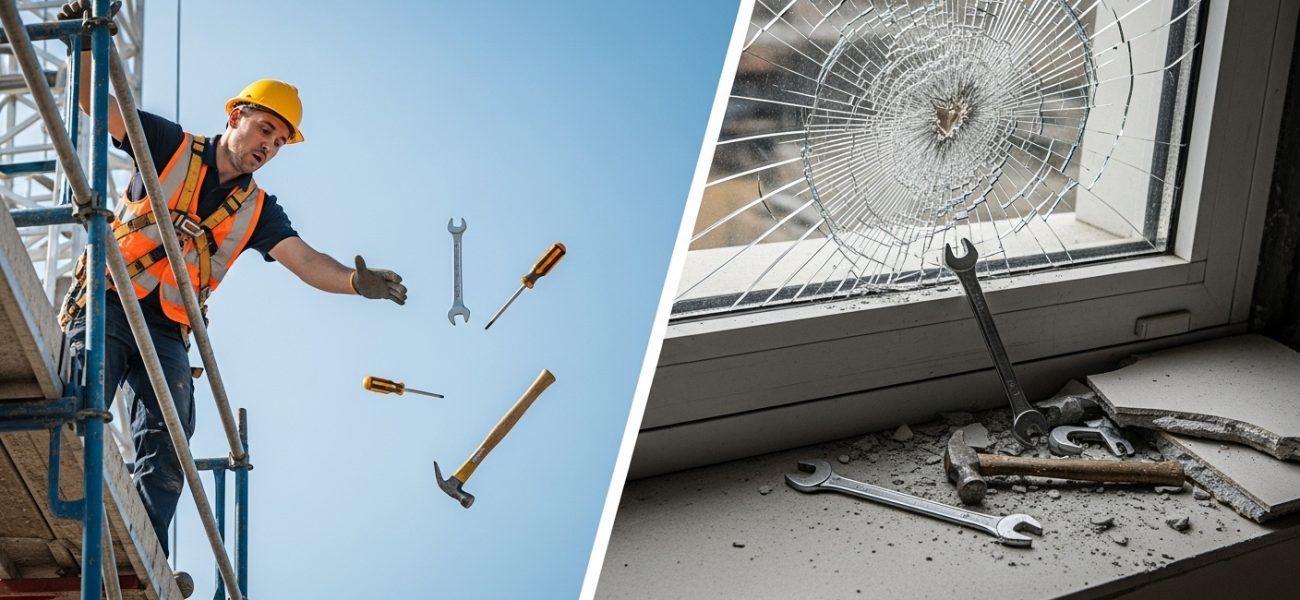
Property damage insurance provides coverage for physical damage to property caused by various perils, including fires, storms, or accidental damage during construction work. For example, if a crane accidentally destroys a part of a building, property damage insurance helps cover the cost of repairs.
In North Texas, where severe weather events like tornadoes can occur, having property damage insurance is crucial for protecting investments.
🌪️ Coverage Areas of Property Damage Insurance
Property damage insurance typically covers damage to the construction site, materials, equipment, and possibly third-party properties. If a subcontractor damages neighboring properties, property damage insurance helps mitigate financial liabilities, ensuring smooth operational flow.
Understanding the specifics of your coverage area enables better risk management and ensures robust protection against unforeseen damages.
5. Key Features of Property Damage Insurance
📏 Scope and Limitations
The scope of property damage insurance can vary, including the type of perils covered, the extent of property, and the time period. It’s crucial for managers to assess the inclusions and exclusions carefully. For instance, some policies may not cover theft of equipment unless specific conditions are met.
By understanding these limitations, managers can ensure that they have comprehensive coverage, reducing the probability of unexpected costs.
🔍 Policy Endorsements
Managers can extend their coverage through policy endorsements, such as adding coverage for delays or increased construction costs. For instance, if there’s a sudden increase in material costs due to global events, an endorsement may protect the project from running over budget.
These customizations can tailor the insurance to the project’s specific requirements, offering well-rounded protection.
6. Differences Between Liability and Property Damage Insurance
⚖️ Coverage Focus
While both types of insurance offer protection on construction sites, their focus differs. Liability insurance primarily deals with third-party injuries and legal claims, whereas property damage insurance focuses on physical damage to the property itself.
For example, if a worker’s actions cause structural damage, property damage insurance would cover repairs, while liability insurance would address any injury-related claims.
🏗️ Applicability in Construction
Understanding the applicability of these insurances helps managers allocate resources better. Liability insurance is crucial in situations involving interactions with clients or the public, while property damage insurance is more critical for protecting the site and equipment.
This differentiation allows for precise financial planning and risk allocation, ensuring that all potential liabilities have been adequately addressed.
7. Importance of Insurance on a Construction Site
💪 Risk Mitigation
Insurance is a vital tool in risk management strategies for construction managers. On a busy construction site, accidents can happen, and having robust insurance coverage can prevent financial losses that may otherwise halt a project.
For instance, implementing comprehensive construction insurance policies can help absorb the impact of damages or claims, keeping projects on track and within budget.
💼 Legal and Regulatory Compliance
In North Texas, where regulations may demand specific insurance coverage, failing to comply can lead to legal battles and fines. Ensuring proper coverage helps construction managers stay compliant and avoid legal entanglements.
Proper compliance not only maintains the project’s legality but also enhances the company’s credibility and reputation among clients.
8. Case Studies from North Texas
🔍 Successful Claims Handling
Consider a scenario in North Texas where a construction site was severely damaged due to unexpected tornadoes. With property damage insurance, the contractor successfully claimed repairs, mitigating significant financial losses without impacting the project’s timeline.
Such real-life examples underline the importance of having the right type and amount of coverage to handle unique regional challenges like inclement weather.
📈 Lessons Learned
From lessons learned in North Texas case studies, contractors understand the importance of reviewing policy details, exclusions, and endorsements regularly. For instance, engaging with underwriters to understand evolving regional risks can lead to better-informed decisions.
This proactive approach ensures that projects are better prepared for potential uncertainties and enhances operational resilience.
9. How to Choose the Right Insurance
📊 Assessing Project Risks
Choosing the right insurance requires a comprehensive assessment of specific project risks. Construction managers should evaluate historical data, site-specific factors, and personnel to determine the necessary coverage tiers.
For example, projects located in high-risk areas near natural disaster zones might require additional endorsements compared to standard projects.
🛡️ Consulting with Experts
Consultation with insurance professionals like Trust Partners Insurance provides valuable insights. Their expertise allows construction managers to tailor coverage effectively, meeting project-specific needs.
Professional advice ensures comprehensive protection and optimizes costs, contributing to more successful and stress-free projects.
10. How Trust Partners Insurance Can Help
🤝 Tailored Insurance Solutions
At Trust Partners Insurance, we offer customized insurance solutions that suit the unique needs of construction managers and contractors in North Texas. Our team understands local industry challenges and works closely with you to provide optimal coverage that covers all aspects of liability and property damage insurance.
We prioritize understanding your specific requirements and risks to tailor policies that give you peace of mind and comprehensive protection.
🛠️ Ongoing Support and Consultation
Our commitment doesn’t end at the policy sale. Trust Partners Insurance provides ongoing support and regular policy reviews, ensuring you’re always protected as your project evolves. Our experts are readily available to guide adjustments and consult on risk management strategies.
Through this support, we help you focus on what you do best – managing and completing successful construction projects.