
1. Introduction to Builders Risk Insurance
2. Key Features of Builders Risk Insurance
3. Types of Projects Covered
4. Risks and Perils Covered
5. The Importance of Builders Risk Insurance
6. Who Needs Builders Risk Insurance?
7. How to Obtain Builders Risk Insurance
8. Common Exclusions and Limitations
9. Cost Factors and Budgeting
10. Filing a Claim
11. Best Practices
12. Trust Partners Insurance: Your Reliable Partner
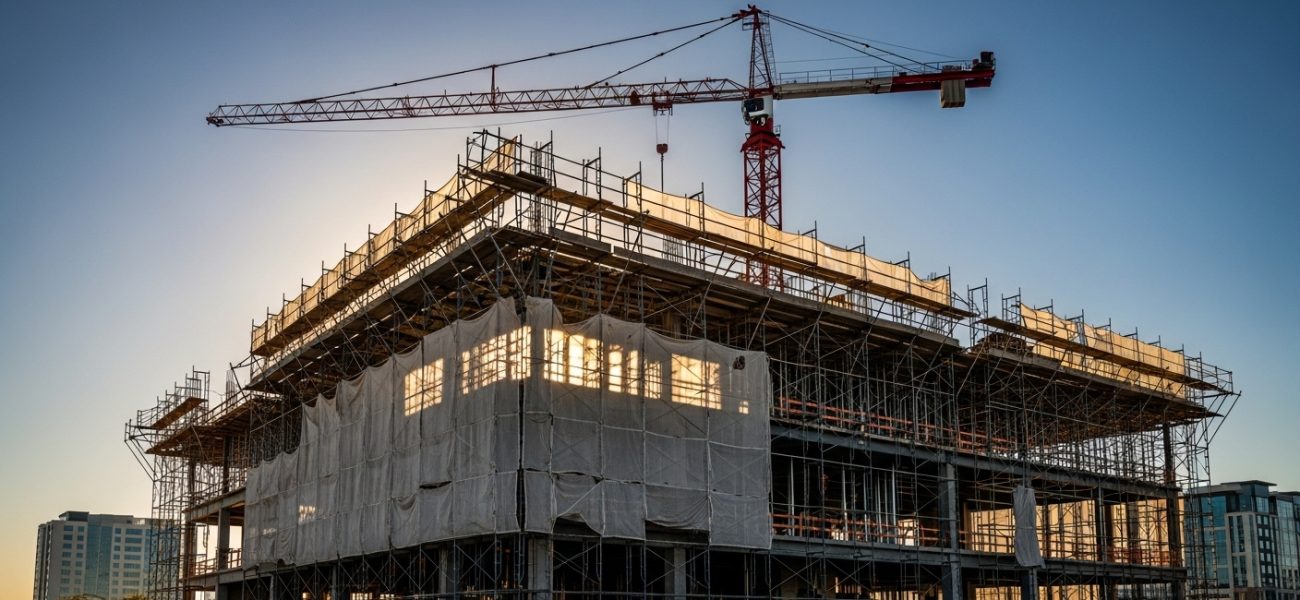
1. Introduction to Builders Risk Insurance
🏢 Definition
Builders risk insurance, also known as course of construction insurance, is a type of property insurance that covers a building where the building or insured area is currently under construction. This specialized policy covers the property from damage due to various risks. For example, if a storm damages a partially built structure, builders risk insurance can cover the repair costs.
💡 Purpose
The main purpose of builders risk insurance is to protect construction projects from direct physical loss or damage. It’s an indispensable part of risk management strategies for construction managers. For instance, consider a concrete pour damaged by unexpected rain; the insurance helps in managing unforeseen financial impacts.
2. Key Features of Builders Risk Insurance
🔍 Coverage Scope
The coverage typically includes the building itself and any associated construction materials. In North Texas, a rapidly growing construction area, protecting materials from regional risks like storms or theft is crucial.
📝 Policy Duration
Builders risk insurance is usually available for three months, six months, or a year, and can often be extended if construction delays occur. This flexibility is vital in projects that encounter unexpected challenges.
🛠 Customization
Policies can often be customized to fit specific project needs. For example, a policy might include coverage for scaffolding and onsite equipment if these are integral to the project.
3. Types of Projects Covered
🏗 Residential Projects
From single-family homes to multi-unit buildings, builders risk insurance can cover all types of residential projects. If a North Texas residential development is damaged by a hailstorm, the policy will help cover repair costs.
🏢 Commercial Projects
Commercial projects like office buildings and shopping centers also fall under the purview of builders risk insurance. This is especially important in densely populated business districts.
🚧 Infrastructure Projects
Infrastructure such as bridges, roads, and utility systems can benefit from the coverage. As North Texas expands, safeguarding these crucial developments is important for economic growth.
4. Risks and Perils Covered
🌧 Natural Disasters
Builders risk insurance covers damage from natural disasters like floods, hurricanes, and tornadoes. This is particularly relevant in North Texas, where severe weather can disrupt construction.
🔥 Fire and Explosion
Fire damage can be devastating, often halting construction altogether. Builders risk insurance ensures that recovery and reconstruction can proceed without financial setback.
🚨 Theft and Vandalism
Construction sites are susceptible to theft of materials and vandalism. For example, copper wiring is a common target; insurance helps replace stolen goods quickly to avoid project delays.
5. The Importance of Builders Risk Insurance
🔐 Financial Protection
Construction projects involve significant financial investment. Insurance helps mitigate the impact of unexpected incidents, ensuring projects remain economically viable even when disruptions occur.
🤝 Risk Management
Having insurance demonstrates strong risk management practices, making your construction more attractive to investors. It provides peace of mind knowing there is a plan to handle the unexpected.
🏢 Compliance and Contracts
Many contracts require builders risk insurance as a prerequisite. Compliance with these stipulations avoids legal and financial penalties.
6. Who Needs Builders Risk Insurance?
🎯 Construction Managers
Construction managers in charge of overseeing the entirety of the project must secure insurance to protect the interest of all stakeholders. This ensures that the project remains on schedule and budget.
🚜 Contractors
Contractors responsible for the physical construction should ensure that there is coverage in place to protect their work and investment. This also facilitates smoother project execution without financial hiccups.
🏦 Property Owners
In some cases, property owners may opt for builders risk insurance to protect their investment until the construction is complete and a permanent policy takes effect.
7. How to Obtain Builders Risk Insurance
🔍 Research
Begin by researching different insurance providers and policies to find one that fits your specific project needs. North Texas builders should consider local risks when choosing coverage.
📞 Speak with an Agent
Consult with an insurance agent who specializes in builders risk insurance. They can offer advice tailored to the regional construction environment and specific project challenges.
📝 Compare Quotes
Obtaining multiple quotes helps in assessing the cost-effectiveness of the coverage. Prices can vary significantly, so a thorough comparison ensures the best deal.
8. Common Exclusions and Limitations
👷♂️ Worker Injuries
Builders risk insurance does not cover injuries to workers; separate workers’ compensation insurance is necessary to address job-site safety liabilities.
⛈ Wear and Tear
Normal wear and tear or poor design and workmanship are typically excluded. For instance, a collapsing structure due to poor design wouldn’t be covered.
📋 Pre-existing Structures
Usually, any pre-existing structures on site are not covered unless specifically stated, emphasizing the importance of understanding each policy’s details.
9. Cost Factors and Budgeting
💵 Project Value
The overall value of the project significantly affects insurance costs. A higher-value project typically demands higher premiums due to the increased risk exposure.
🔍 Location-Based Risks
Construction in areas prone to severe weather, such as North Texas, might incur higher costs due to the increased risk of weather-related damages.
📊 Policy Duration
The length of the project and needed coverage period directly affects the premium. Longer projects might see increased costs due to extended risk exposure.
10. Filing a Claim
📄 Documentation
Documentation is crucial for a smooth claims process. Detailed records of incident reports, project documentation, and valuations help expedite claims.
⏱ Timely Reporting
Submit claims as soon as possible to ensure a swift response. Delays in reporting can complicate the investigation and settlement process.
🤝 Communication
Maintaining open communication with your insurer helps in resolving claims efficiently. Regular updates provide transparency and foster cooperative resolution.
11. Best Practices
🔍 Regular Site Inspections
Conducting routine inspections helps in identifying and mitigating potential risks before they result in claims. Proactive management maintains a safer, more stable construction environment.
📑 Detailed Contracts
Clear, detailed agreements regarding insurance responsibilities should be included in every contract. This helps in avoiding disputes and ensuring everyone is aware of their obligations.
🗂 Comprehensive Planning
Comprehensive construction planning includes considering potential risks and incorporating insurance into the project timeline and budgeting from the start.
12. Trust Partners Insurance: Your Reliable Partner
🌟 Why Choose Trust Partners?
At Trust Partners Insurance, we specialize in tailoring builders risk insurance to fit your specific project needs. Our understanding of North Texas construction demands ensures you have the ideal coverage.
🤝 Personalized Service
Our team works closely with you to understand your project’s unique requirements, offering solutions that provide maximum coverage and peace of mind.
🛡 Comprehensive Coverage
With Trust Partners Insurance, you gain access to comprehensive policies that cover a wide range of risks and perils, safeguarding your investment at every stage.