
1. Introduction
2. Importance of Safety Programs
3. Driver Training Programs
4. Vehicle Maintenance Technologies
5. Telematics Systems
6. Advanced Driver Assistance Systems (ADAS)
7. Incident Management Tools
8. Risk Assessment and Data Analytics
9. Environmental Safety Measures
10. Policy and Regulatory Compliance
11. Trust Partners Insurance – Your Safety Partner
1. Introduction
Safety Programs
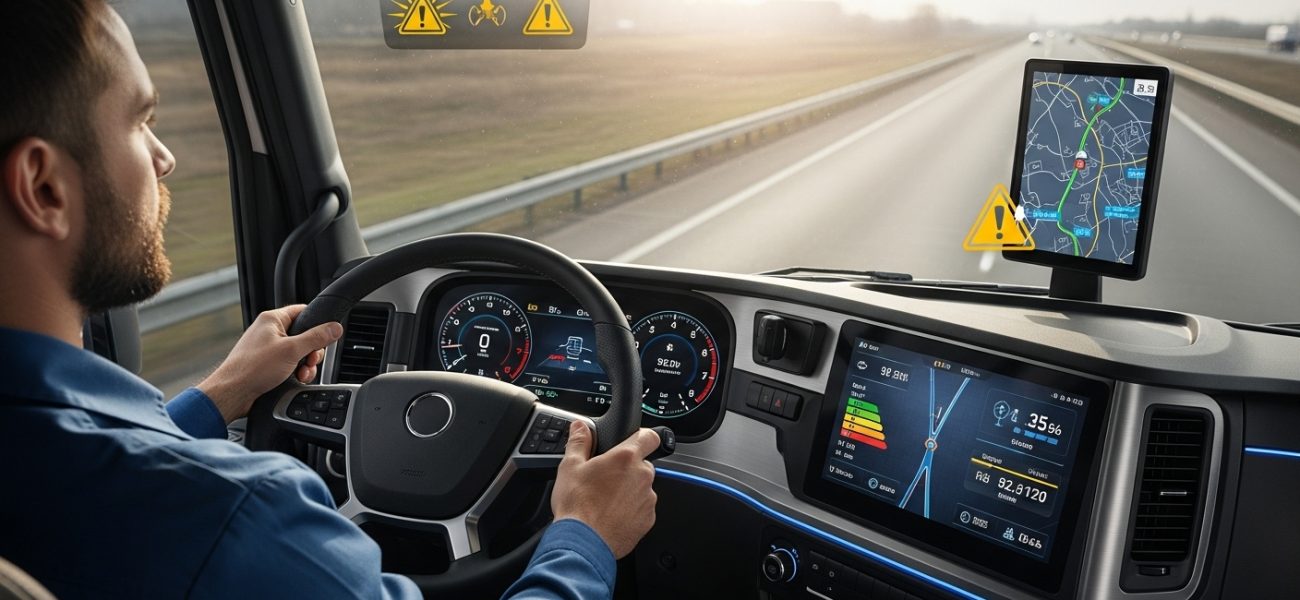
In the fast-paced world of last-mile delivery, ensuring the safety of drivers, vehicles, and goods is paramount. Effective safety programs and technologies not only protect your assets but also reduce claims, subsequently lowering insurance premiums.
2. Importance of Safety Programs
🏢 Building a Safer Fleet Culture
A culture of safety is essential to prevent accidents and incidents. Establishing a fleet-wide understanding of safety protocols helps align goals and practices. For instance, regular safety meetings where drivers share experiences can cultivate a proactive safety mindset.
💡 Incentives for Safety Compliance
Implementing incentive programs for accident-free records encourages drivers to adhere to safety protocols. Consider awarding bonuses or recognition, which not only boosts morale but also fosters a competitive spirit centered around safety.
🔍 Monitoring and Reporting Systems
Deploying an efficient reporting system enables real-time monitoring of safety practices. Using platforms that track safety compliance ensures continuous improvement and timely interventions, crucial for mitigating risks.
3. Driver Training Programs
🎓 Comprehensive Driver Education
Investing in specialized driver training programs reduces accidents significantly. Incorporate both classroom and on-road training sessions tailored to address common last-mile delivery challenges, such as urban navigation and safe package handling.
🚘 Defensive Driving Techniques
Training drivers in defensive driving techniques is crucial in reducing accident risks. Offering courses that emphasize anticipating hazards and reacting effectively can decrease road incidents.
🧑🏫 Continuous Learning Modules
Create a platform for continuous education where drivers can access the latest safety trends and technologies. Regular updates and refresher courses keep drivers informed and prepared for new situations.
4. Vehicle Maintenance Technologies
🔧 Proactive Maintenance Scheduling
Adopting maintenance technologies that schedule regular vehicle check-ups prevents unexpected breakdowns. Systems that automatically alert for tire rotations or oil changes ensure that vehicles remain in top condition.
🛠️ Diagnostic Tools
Equip vehicles with advanced diagnostic tools that provide instant feedback on mechanical issues. Immediate attention to discrepancies can prevent minor issues from escalating into costly repairs.
🧴 Eco-friendly Maintenance
Incorporate eco-friendly maintenance practices to enhance vehicle longevity and reduce environmental impact. Using synthetic oils or low-emission products illustrates commitment to sustainability.
5. Telematics Systems
📡 Real-time GPS Tracking
Real-time GPS tracking systems improve route efficiency and safety. These systems not only aid in optimizing delivery schedules but also provide indispensable data during emergencies or delays.
📊 Data-driven Performance Analysis
Telematics software collects data that enables in-depth analysis of driver performance. Identifying patterns in fuel consumption or braking behaviors can tailor training and improve fuel efficiency.
📱 Mobile Integration
Implement mobile applications that sync with telematics systems, offering drivers on-the-go access to routes and safety tips. This integration empowers drivers with essential information without complex interfaces.
6. Advanced Driver Assistance Systems (ADAS)
🚗 Automated Emergency Braking
ADAS features such as automated emergency braking drastically reduce rear-end collisions. This technology autonomously detects potential obstacles and applies brakes if the driver fails to respond in time.
📸 Blind Spot Detection
Equip vehicles with blind spot detection to alert drivers of unseen vehicles, especially useful in high-traffic urban areas. This system significantly contributes to safer lane changes.
🔄 Lane Keeping Assistance
Lane keeping systems prevent unintentional lane drifts, crucial for drivers on long hauls or experiencing fatigue. The technology ensures the vehicle remains in its designated path, greatly reducing collision risks.
7. Incident Management Tools
🆘 Automated Incident Reporting
Use automated incident management tools to streamline the reporting process. Swift reporting leads to quicker claims processing and vehicle repairs, minimizing downtime.
📷 Dash Cams
Installing dash cams provides indisputable evidence in case of incidents. Footage from these cameras is invaluable for accident analysis and resolving disputes, often leading to quicker insurance settlements.
🛠️ Incident Response Planning
Develop comprehensive incident response plans that outline roles and responsibilities. Clearly defined steps ensure rapid, efficient handling of emergencies, reducing stress and errors during critical moments.
8. Risk Assessment and Data Analytics
📉 Predictive Analytics
Implement predictive analytics to foresee potential risks and address them proactively. Comprehensive data analysis can identify patterns leading to fatigue or accident-prone routes, allowing for strategic preparation.
📑 Regular Risk Assessments
Conduct regular risk assessments to keep policies and safety measures up to date. Frequent evaluations identify new risks and adapt strategies to current conditions, maintaining a high standard of safety.
📐 Custom Risk Mitigation Strategies
Tailor risk mitigation strategies based on specific operational data. Customized approaches are more effective as they directly address unique challenges faced by individual fleets.
9. Environmental Safety Measures
🌍 Eco-friendly Fleet Operations
Promote environmental responsibility by adopting eco-friendly practices. For example, implementing fuel-efficient routes and using hybrid vehicles can significantly lower your fleet’s carbon footprint.
♻️ Waste Reduction Practices
Implement waste reduction initiatives, such as recycling delivery materials. Encouraging sustainable practices reduces operational costs and contributes positively to community reputation.
🌿 Green Certifications and Standards
Pursue green certifications that acknowledge your commitment to sustainability. Certifications often come with financial incentives and highlight your operation’s dedication to global safety and health standards.
10. Policy and Regulatory Compliance
📜 Keeping Up with Regulations
Ensure continuous compliance with local and national safety regulations. Regular review of policies keeps your fleet aligned with legal requirements, avoiding fines and reputation damage.
🔍 Regulatory Updates and Training
Provide ongoing training on regulatory changes to all drivers and staff. This practice ensures everyone is informed and compliant, reducing the risk of accidental violations.
💼 Partnership with Regulatory Bodies
Establish partnerships with regulatory bodies to receive firsthand information on changing laws. Active involvement can help shape future policies beneficial to the logistics sector.
11. Trust Partners Insurance – Your Safety Partner
🤝 Customized Insurance Plans
At Trust Partners Insurance, we offer tailored insurance plans that address the unique needs of your last-mile delivery fleet. Our policies are designed to cover your specific risks and reduce claim occurrences.
🔍 Expert Risk Management Consultation
Our team provides expert consultation in risk management, helping you implement the best safety and compliance strategies. We’re here to guide you in staying ahead in the ever-evolving logistics landscape.
📞 Ongoing Support and Claims Efficiency
Our commitment to exceptional service ensures clients receive swift support and efficient claims processing. We are always available to assist you, ensuring your deliveries are safe and insured.