
1. Understanding Older Construction
2. Evaluating Material Quality
3. Safety Code Compliance
4. Maintenance and Upkeep
5. Risk Assessment
6. Insurance Coverage Considerations
7. Premium Pricing Factors
8. Disaster Preparedness
9. Renovation and Updates
10. Role of Trust Partners Insurance
1. Understanding Older Construction
🏢 Historical Context
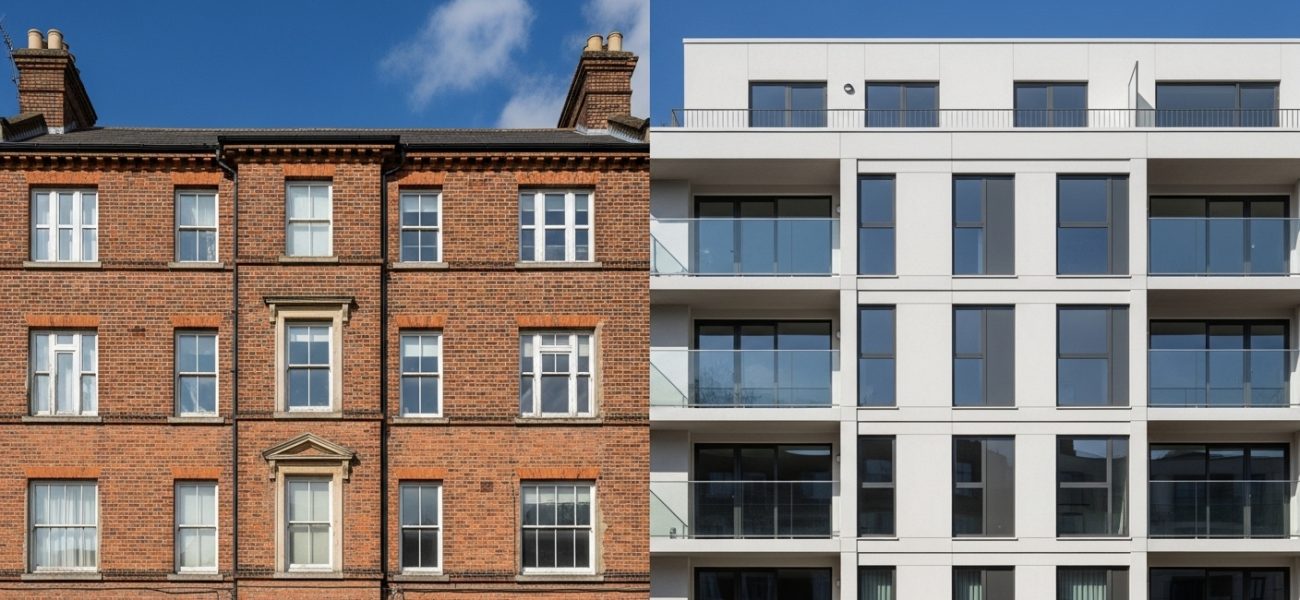
Older buildings in North Texas have a rich historical context, often reflecting the architectural style of their time. However, these structures may also have construction techniques and materials that are vastly different from modern ones. For example, a property built in the 1920s might feature plaster walls instead of drywall. Understanding this context is vital, as it impacts both insurance needs and pricing.
💡 Unique Characteristics
Older constructions often have unique characteristics such as handcrafted woodwork, bespoke fixtures, and ornate facades. These features are attractive but can complicate repairs. For instance, repairing custom woodwork requires specialist skills, which can be more expensive, affecting insurance claims and coverage types.
🔍 Potential Limitations
While charming, older constructions may have limitations such as outdated electrical systems or inadequate insulation. These can pose safety risks or lead to higher energy costs, influencing both coverage needs and premium pricing. A building from the 1960s might need electrical system upgrades to meet safety standards, thereby impacting coverage.
2. Evaluating Material Quality
🏢 Structural Integrity
The material quality of older buildings can vary significantly. Brick, wood, and stone were common, but their current condition is crucial. For instance, while a brick structure might be sound, deteriorating mortar can affect structural integrity, thus impacting insurance assessments and coverage requirements.
💡 Longevity of Materials
Materials used in older buildings often have longer lifespans compared to modern ones. For example, aged red oak floors can last decades but often require specific maintenance techniques. This longevity can affect the type and extent of coverage needed.
🔍 Signs of Wear and Tear
Significant wear and tear can impact insurance pricing. Issues like roof leakage or corroded plumbing in pre-1960s buildings are common indicators that insurers look for when determining coverage and premiums. Addressing these issues proactively can reduce insurance costs.
3. Safety Code Compliance
🏢 Evolving Building Codes
Building codes have evolved significantly, and older buildings may not meet current standards. This non-compliance can present challenges when securing insurance. For instance, a 1970s apartment complex may lack modern fire suppression systems, impacting the insurance coverages required.
💡 Retrofitting Options
Retrofitting older properties to meet current safety codes can affect coverage. Adding fire alarms or upgrading electrical systems improves safety and may reduce insurance costs. Done correctly, such updates align older properties with contemporary safety standards, enhancing insurability.
🔍 Inspection and Documentation
Regular inspections are crucial for maintaining code compliance in older buildings. Comprehensive documentation of improvements can support your case during insurance negotiations. Detailed records make it easier for insurers to assess and price the coverage accurately.
4. Maintenance and Upkeep
🏢 Routine Maintenance
Older properties require diligent maintenance to remain insurable. This includes tasks like regular roof checks, plumbing maintenance, and HVAC servicing. Neglecting these can lead to issues that hike up premiums or result in denied claims.
💡 Response to Weather Conditions
In North Texas, properties face weather-related challenges such as hailstorms and high winds. Older properties, with their unique materials, might require specialized maintenance strategies post-storm to prevent significant deterioration, influencing insurance coverage terms.
🔍 Professional Assessments
Hiring professionals for significant maintenance ensures that everything is up to standard. A certified electrician checking outdated wiring can prevent potential fire hazards, which can be costly if unchecked, affecting both coverage and premiums.
5. Risk Assessment
🏢 Identifying Structural Risks
Risk assessment of older properties involves identifying potential liabilities such as foundational issues or pest infestations. Spotting these early helps in managing risks effectively and tailoring insurance solutions accordingly.
💡 Environmental Hazards
Environmental factors like humidity can impact older buildings uniquely. Wood rot or mold growth are common issues that require attention, as they can affect both the integrity of the structure and its insurability.
🔍 Financial Implications
Assessing financial risks involves weighing potential repair costs against insurance coverage. Understanding these implications helps you budget effectively for insurance premiums and unexpected repairs, managing your property’s financial health proficiently.
6. Insurance Coverage Considerations
🏢 Comprehensive Coverage Needs
Older buildings often require comprehensive insurance policies that cover a wide range of potential damages, from structural failures to liability claims. Tailoring insurance needs to include these considerations is critical for adequate protection.
💡 Customizable Policies
Customizable insurance policies are essential for older properties, allowing owners to select coverage options that address specific risks. For example, adding a rider for antique fixtures might be necessary for a historical building with unique interior features.
🔍 Legal and Compliance Coverage
Insurance should also consider legal compliance, covering updates mandated by new codes. Coverage for ordinance or law is crucial, as it covers increased costs when building laws change after damage.
7. Premium Pricing Factors
🏢 Age of Property
The age of a building significantly affects insurance premium rates. Older properties are more likely to have increased premiums due to higher perceived risks associated with their age-related vulnerabilities.
💡 Location and Crime Rates
Location-specific factors such as neighborhood crime rates influence premium pricing. Areas with higher crime risks can lead to increased insurance costs, requiring property owners to assess their neighborhood dynamics critically.
🔍 Claims History
Your building’s claims history impacts premium pricing directly. Frequent claims indicate higher risks, affecting future premiums. Adopting preventive measures to reduce claim incidences can help maintain lower premium rates.
8. Disaster Preparedness
🏢 History of Natural Disasters
North Texas is prone to events like tornadoes and floods, making disaster preparedness crucial for older buildings. Understanding the region’s disaster history can guide the necessary safety enhancements and insurance adjustments.
💡 Emergency Response Plans
Developing effective emergency response plans is essential. Insurance providers may offer lower rates to buildings equipped with detailed disaster response strategies, recognizing reduced risks of extensive damage.
🔍 Reviewing Coverage Limits
Regularly review insurance coverage limits to ensure they align with potential disaster recovery costs. As construction costs rise, ensuring that your policy reflects current market values is critical for adequate protection.
9. Renovation and Updates
🏢 Value Addition Through Renovation
Renovating older properties can add significant value and enhance insurability. Modernizing facilities like kitchens and bathrooms or improving energy efficiency can make a property more attractive and better protected.
💡 Financial Planning for Updates
Planning financially for updates can extend a building’s life and improve coverage terms. Budgeting for renovations allows owners to spread costs, improving cash flow management without compromising coverage.
🔍 Impact on Insurance Policies
Renovations can impact insurance policies by altering risk profiles. Upgrading an old roof or plumbing system can reduce risks, leading to potential premium reductions. Always inform your insurer of changes to maintain proper coverage levels.
10. Role of Trust Partners Insurance
🏢 Tailored Insurance Solutions
Trust Partners Insurance specializes in offering tailored solutions that meet the unique coverage needs of older properties. By evaluating specific property characteristics, we create optimized policies that offer comprehensive protection.
💡 Expert Guidance and Support
Our team provides expert guidance, helping you navigate the complexities of insuring older constructions. From assessing risks to customizing coverage plans, Trust Partners Insurance offers support every step of the way.
🔍 Commitment to Client Satisfaction
At Trust Partners Insurance, client satisfaction is at the forefront of our services. We are committed to ensuring your peace of mind is maintained, with policies that securely protect your valuable property investments.