
1. Understanding Vacant Commercial Property Insurance
2. The Importance of Vacant Property Insurance
3. Identifying Vacant Properties
4. Common Risks Associated with Vacant Properties
5. Coverage Options for Vacant Properties
6. Premium Calculation Factors
7. Steps to Secure an Affordable Policy
8. Effective Management of Vacant Properties
9. Seasonal Considerations
10. Legal Implications of Vacant Properties
11. Trust Partners Insurance Solutions
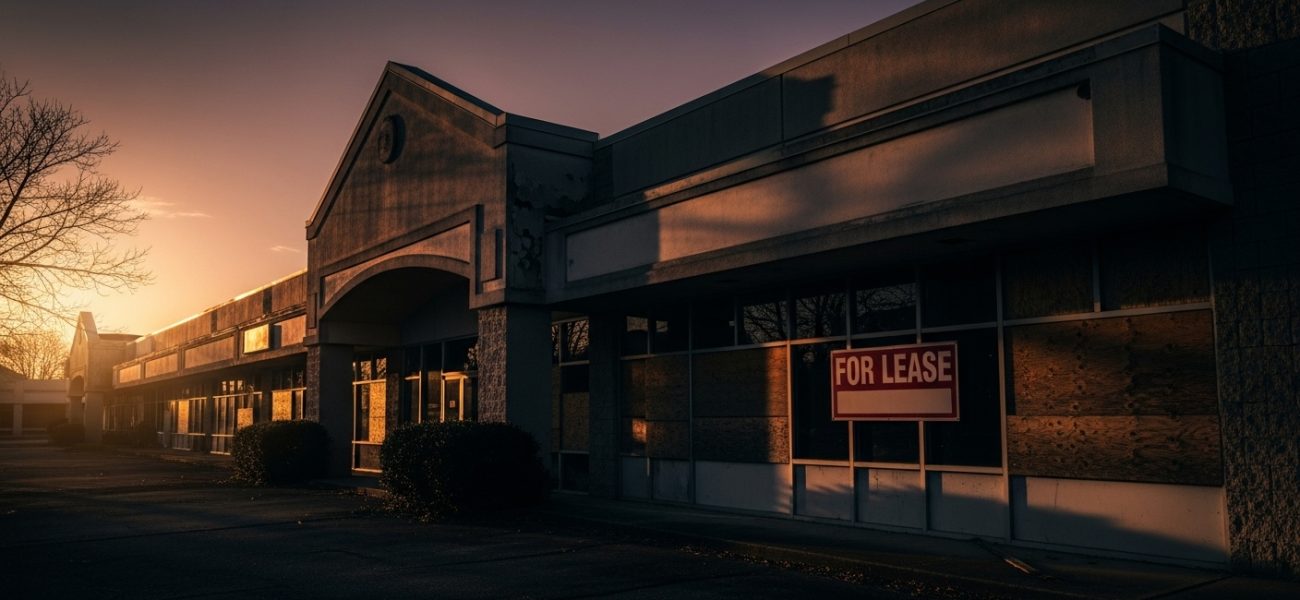
1. Understanding Vacant Commercial Property Insurance
🏢 Definition and Basics
Vacant commercial property insurance is a specialized type of policy designed to protect properties that are unoccupied for a certain period. This type of insurance is crucial for safeguarding buildings that might otherwise be at risk of vandalism or deterioration. For instance, a retail space in a popular shopping district in North Texas might need this coverage when anticipating a change in tenancy.
💡 Key Differences from Regular Insurance
Regular commercial property insurance often doesn’t cover properties that are vacant for extended periods. Policies typically have clauses that void coverage after a property is unoccupied for more than 30-60 days. Without vacant property insurance, a North Texas strip mall owner might be left unprotected between tenants, risking financial loss.
2. The Importance of Vacant Property Insurance
🔍 Risk Mitigation
Unoccupied properties face higher risks of damage due to lack of daily oversight. Vacant property insurance mitigates risks from vandalism, burst pipes, or gradual deterioration. For example, an untended warehouse could incur significant costs from unnoticed roof leaks during North Texas storms.
🔑 Financial Protection
Insurance ensures that if a loss occurs, owners are not financially devastated. A North Texas office building without tenants may not generate income, making unexpected repair costs burdensome without proper insurance.
3. Identifying Vacant Properties
🏠 Definitions and Timeframes
Properties are considered vacant when they lack enough furnishings or usage for regular occupancy. In North Texas, a commercial building used less than 30% of the time might be classified as vacant, necessitating targeted insurance.
📅 Temporary vs. Permanent Vacancies
Temporary vacancies occur during tenant transitions, while permanent vacancies involve longer durations like awaiting redevelopment. A commercial plaza might be temporarily vacant between store leases, qualifying for temporary coverage solutions.
4. Common Risks Associated with Vacant Properties
🕵️ Vandalism and Theft
Vacant properties attract vandals who can cause considerable damage. In urban areas of North Texas, break-ins or graffiti can decrease property value, emphasizing the need for proper insurance.
🔥 Fire Hazards
An unmonitored building can be particularly vulnerable to arson or accidental fires, especially in areas prone to dry weather conditions like North Texas.
5. Coverage Options for Vacant Properties
🌪️ Basic Coverage Options
Typical vacant property policies cover perils like fire, wind damage, and vandalism. For instance, North Texas’ storm season can bring hail, making wind damage coverage vital for peace of mind.
🛡️ Extended Coverage and Endorsements
To enhance protection, consider endorsements for coverage like flood insurance. Although less common, North Texas flash floods can inflict major damage without this coverage.
6. Premium Calculation Factors
📍 Location Considerations
The premium is strongly influenced by the property’s location. A property in a high-crime area of Dallas might carry higher insurance costs compared to a quieter suburb.
🏗️ Property Condition and Security
Insurers assess the property’s upkeep and security measures. Properties with security systems in North Texas might get lower premiums due to reduced risk factors.
7. Steps to Secure an Affordable Policy
🔗 Comprehensive Security Measures
Invest in advanced security systems, such as surveillance cameras and alarms, which can reassure insurers and potentially lower premiums for North Texas properties.
🏆 Working with a Skilled Broker
Aligning with experienced insurance brokers can provide access to tailored policies. A reputable North Texas broker understands local risks and negotiates better terms.
8. Effective Management of Vacant Properties
🔍 Regular Inspections
Conduct frequent property inspections to catch potential issues early. A North Texas business park may benefit from weekly checks to maintain its infrastructure and security levels.
🌿 Maintenance and Repairs
Keep the property well-maintained even when vacant. Regular landscaping and upkeep help preserve property value, making it attractive to future tenants in North Texas.
9. Seasonal Considerations
☀️ Summer and Heat-Related Risks
In North Texas, summer heat can exacerbate wear, especially on electrical systems. Prioritize maintenance to prevent heat-induced malfunctions, thereby reducing insurance claims.
❄️ Winter and Cold Weather Preparations
Cold spells, though less frequent, can lead to pipes bursting or increased heating costs. Winterize properties to prevent these issues, making North Texas’ weather conditions manageable.
10. Legal Implications of Vacant Properties
⚖️ Zoning and Regulation Changes
Laws may change regarding property usage and zoning, affecting insurance. Stay informed about North Texas regulations to ensure compliance and correct insurance coverage.
📝 Liability Concerns
Even vacant, properties can encounter liability issues due to trespassers or accidents. Ensure coverage addresses these potential legal challenges.
11. Trust Partners Insurance Solutions
🏢 Customized Insurance Packages
Trust Partners Insurance offers tailored solutions for North Texas owners, ensuring coverage aligns with specific needs, mitigating unique regional risks.
🤝 Expert Consultation and Support
Our knowledgeable agents provide support and guidance, from policy selection to claims processing, ensuring that your vacant property is fully protected with the best industry expertise.